Wondering if Santa Clara is a smart place to buy your first home in the South Bay? You are not alone. For many first-time buyers, Santa Clara sits in that tricky middle ground: more attainable than some nearby cities, but still fast-moving and expensive enough that every decision matters. This guide will help you weigh price, housing options, commute convenience, and long-term value so you can decide if Santa Clara fits your goals. Let’s dive in.
Santa Clara's Price Position
Santa Clara is not the cheapest place to buy in the South Bay, but it is also not at the very top of the pricing ladder. In March 2026, the median sale price in Santa Clara was $1,624,400. That put it slightly below the Santa Clara County median of $1.68 million.
Compared with nearby cities, Santa Clara landed in the middle tier. Sunnyvale's median sale price was $1,772,000, while Cupertino reached $3.2 million. San Jose came in lower at $1,489,000, which means Santa Clara was about $135,400 higher than San Jose but still meaningfully below Sunnyvale and far below Cupertino.
For a first-time buyer, that matters. If your goal is to stay close to major job centers without stretching all the way into the highest-priced markets, Santa Clara can offer a more balanced entry point.
Santa Clara Is Still Competitive
Price is only part of the story. Santa Clara is also a fast market, with homes selling in about 9 days and receiving 5 offers on average in March 2026.
That pace can feel intense when you are buying for the first time. It means you usually need a clear budget, strong pre-approval, and the ability to act quickly when the right property hits the market. If you tend to need extra time to compare options, this is something to plan for upfront.
What a Starter Home Looks Like
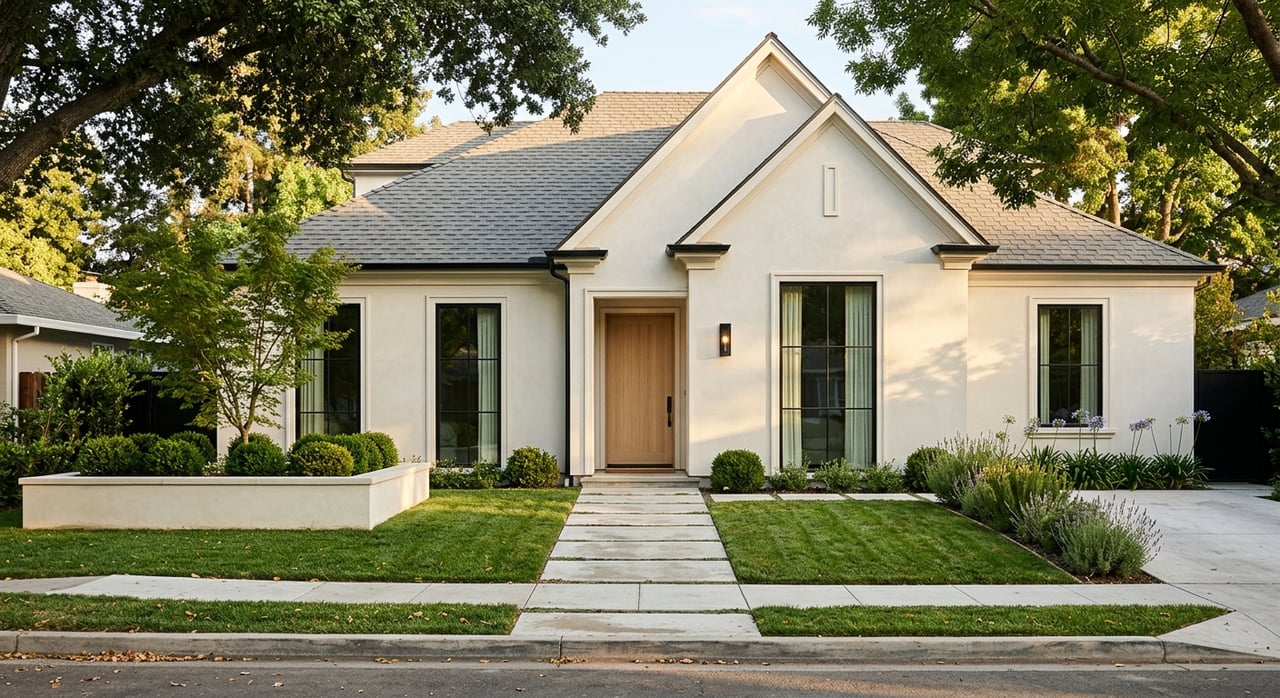
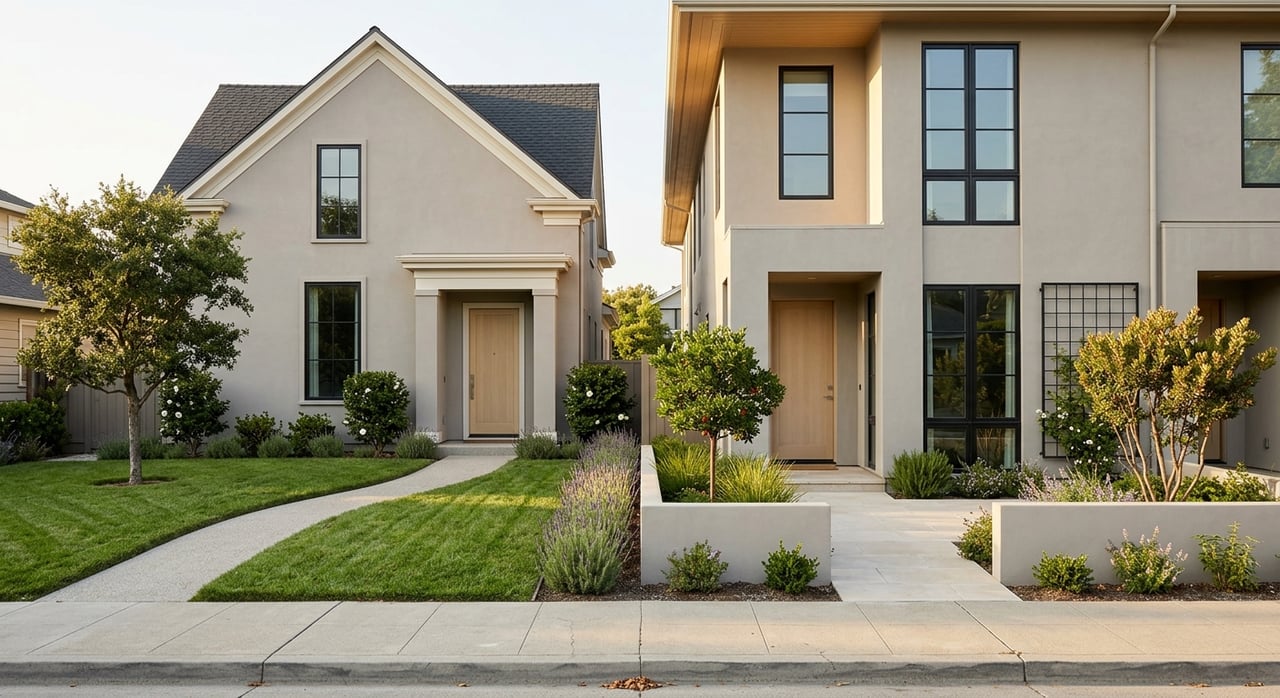
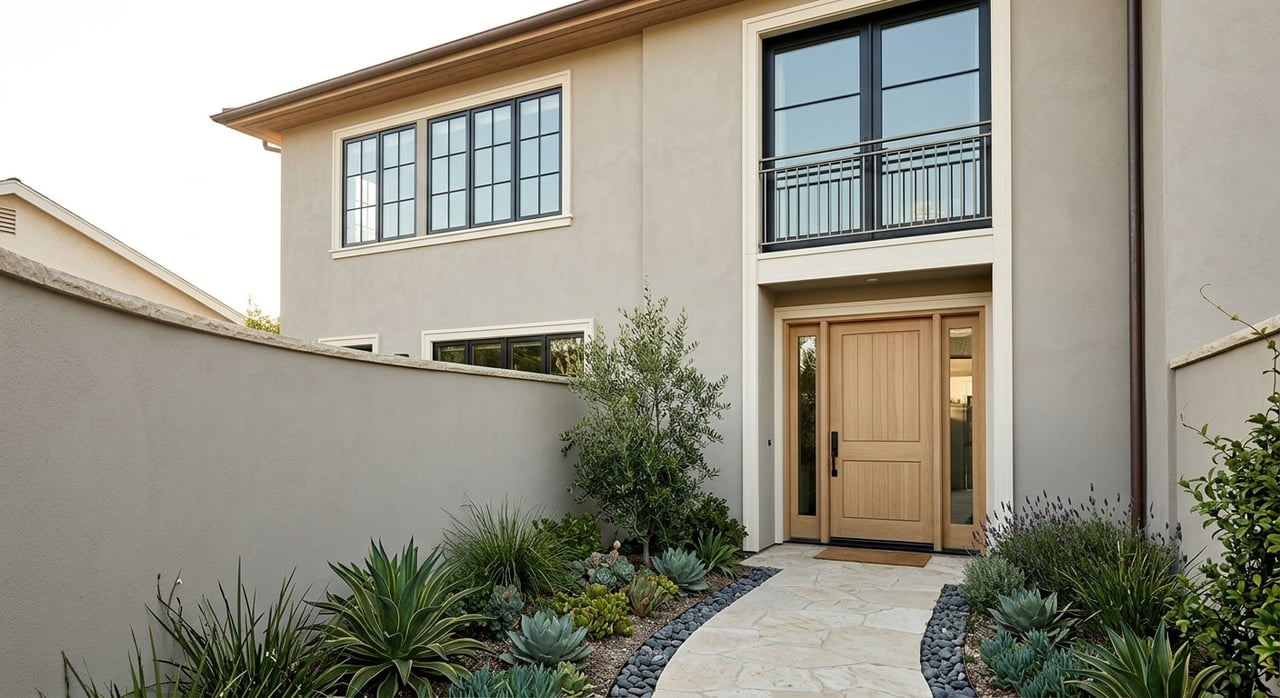
In Santa Clara, a "starter home" often looks different from what buyers imagine in other parts of the country. You are more likely to shop for a condo, townhome, or an older and smaller detached home than a newly built detached house.
That pattern shows up in the city's housing mix. Current data show that 36.81% of housing is detached single-family, 9.57% is attached single-family, 9.27% is small multifamily, and 44.28% is large multifamily. In simple terms, there is a broad mix of housing types, but a large share of the city's homes are in multifamily buildings.
Recent sales help illustrate that reality. Examples on the market included compact 2-bedroom and 3-bedroom homes in roughly the 1,095 to 2,036 square foot range, with some 2-bedroom homes around 1,238 to 1,315 square feet. For many first-time buyers, the practical starting point is not a large detached home, but a smaller, well-located property with room to grow into over time.
Why Housing Type Matters
If you are comparing Santa Clara with other South Bay cities, housing type can shape both affordability and lifestyle. A condo or townhome may offer a lower purchase price than a detached house, which can make ownership more reachable in a competitive market.
At the same time, your monthly costs may include homeowners association dues, and your space may be more compact. That does not make Santa Clara a bad first-home market. It simply means your first purchase may be a strategic step rather than your forever home.
Commute Access Is A Real Strength
One of Santa Clara's biggest advantages is location. The City of Santa Clara describes itself as a strategic regional hub with access to freeways, airports, railroads, expressways, light rail, and other public transportation.
For daily life, that broad access can make a real difference. Santa Clara Transit Center connects to Caltrain and ACE, and it is served by VTA routes 21, 22, Rapid 522, 53, 59, and 60. The city also has VTA light rail stations at Great America, Lick Mill, and Old Ironsides.
If you work in the South Bay tech corridor or need flexible access to multiple job centers, this can strengthen Santa Clara's appeal. You may not get the lowest-cost entry point, but you do get a location that can support commute options and long-term convenience.
Santa Clara Is Commute-Friendly, Not Car-Free
It is important to keep expectations realistic. Santa Clara offers useful transit connections, but the city still functions in a way where freeway access and parking matter.
That makes it a practical choice for buyers who want a mix of transportation options rather than a fully transit-first lifestyle. If your daily routine depends on getting to offices, campuses, or airports efficiently, Santa Clara checks many of the right boxes.
The Rent Vs Buy Math
This is where many first-time buyers pause, and for good reason. In Santa Clara, the monthly cost of owning can be much higher than the monthly cost of renting, especially at current rates.
As of May 7, 2026, Freddie Mac's average 30-year fixed rate was 6.37%. Santa Clara County's tax-rate book shows a base property tax of 1% plus voter-approved bond indebtedness, and city tax-rate areas in the 2024 to 2025 book show total rates around 1.1276% to 1.1584% before parcel-specific variation.
Using those figures, a 20% down purchase on a $1.30 million starter home works out to about $7,740 per month before insurance and HOA dues. At Santa Clara's median sale price, that monthly payment rises to about $9,671 before those added costs.
By comparison, the average rent in Santa Clara is $3,428 per month. Zillow's rental data also show a 1-bedroom average of $2,884 and a 2-bedroom average of $3,600.
When Renting Longer Can Make Sense
For some buyers, renting longer is not a sign of failure. It can be the more rational move if you want to preserve cash, expect to move within a few years, or are still building your down payment.
Santa Clara can still be a smart first-home market, but usually for buyers with stable income, a solid cash position, and a plan to stay for multiple years. If your timeline is short, the cost gap between renting and owning deserves serious attention.
A helpful local benchmark is Santa Clara County's 2025 area median income, which was $195,200. For dual-income households, that number can offer useful context as you compare your income and housing budget against local conditions.
Long-Term Resale Potential
A first home is not just a place to live. It is also an asset you may want to sell later, so resale matters.
Santa Clara has a strong case here because of the relationship between jobs and housing supply. The city's jobs-housing ratio is 2.21, with 118,384 jobs and 53,519 housing units. That imbalance suggests ongoing pressure on housing demand.
Supply constraints add to that picture. As of December 2024, Santa Clara had issued only 1,013 permits toward an 11,632-unit RHNA goal. While no market moves in a straight line, constrained supply and strong job access can support long-term demand for well-located, well-priced homes.
Who Santa Clara Fits Best
Santa Clara can be a smart first buy if you value location, commute efficiency, and long-term demand more than maximum square footage. It may also fit if you are comfortable starting with a condo, townhome, or older detached home as your first step into ownership.
This market can be especially practical for tech employees and dual-income households who want access to several South Bay job centers without paying Cupertino pricing. If you think strategically and buy within your comfort zone, Santa Clara can offer a strong blend of convenience and future flexibility.
When Santa Clara May Not Be Best
Santa Clara may be less compelling if your top priority is the lowest-cost South Bay entry point. It can also be a tougher fit if you want a large detached home right away or if the payment difference between renting and owning would leave you financially stretched.
For first-time buyers, the smartest purchase is not always the one in the most popular location. It is the one that supports your budget, your timeline, and your day-to-day life without adding unnecessary pressure.
The Bottom Line
So, is Santa Clara a smart first home buy in the South Bay? For many buyers, yes, but only if the numbers and your timeline truly work. Santa Clara offers a middle-tier price point, strong commute access, and a housing market supported by jobs and limited supply, but it also demands realistic expectations about size, speed, and monthly cost.
If you are thinking about buying your first home in Santa Clara, the best next step is to look beyond the headline price and evaluate the full picture. That includes property type, monthly carrying cost, location, and your planned holding period. If you want a data-driven plan tailored to your budget and goals, Sunaina Arora can help you think through the options with clarity and confidence.
FAQs
Is Santa Clara affordable for first-time home buyers?
- Santa Clara is more attainable than some nearby cities like Cupertino and slightly less expensive than Sunnyvale, but it is still a high-cost market with a March 2026 median sale price of $1,624,400.
What kind of first homes do buyers usually find in Santa Clara?
- In Santa Clara, first-time buyers are often looking at condos, townhomes, or older smaller detached homes rather than newly built detached starter houses.
Is Santa Clara a competitive housing market for buyers?
- Yes. In March 2026, homes sold in about 9 days and received 5 offers on average, which means buyers need to be prepared to move quickly.
Is renting cheaper than buying in Santa Clara?
- Based on the figures in the research, renting is generally much cheaper month to month than buying, especially at current mortgage rates and price levels.
Why do buyers consider Santa Clara for long-term value?
- Buyers often look at Santa Clara's access to major job centers, strong transportation connections, and the city's jobs-to-housing imbalance, which can support long-term demand.
Is Santa Clara a good fit for tech employees buying a first home?
- It can be, especially if you want access to multiple South Bay job hubs and are comfortable trading some space for location and commute convenience.