Thinking about selling your Los Gatos home but unsure where to start? You are not alone. Between market shifts, high-value decisions, and tight timelines, it is easy to feel overwhelmed. In this guide, you will learn a clear, step-by-step plan tailored to Los Gatos that helps you set the right price, choose smart improvements, handle disclosures, and launch with confidence. Let’s dive in.
Know the Los Gatos market now
Los Gatos sits in a high-value pocket of Santa Clara County, and prices can shift quickly week to week. Recent indicators put the median single-family sale price around the low millions, with one tracker reporting about $2.22 million and a typical marketing time near three weeks. Within town, pricing often varies by ZIP. For example, 95032 has recently shown a higher median than neighboring areas, which is a reminder to use neighborhood-level comps, not only a townwide average.
What this means for you: a small change in inventory can shift buyer attention. You will want precise price positioning, targeted marketing to qualified buyers, and a polished presentation that supports your asking price. A local comparative market analysis and weekly MLS updates can guide both price and timing so you launch when demand is strongest.
Build a 6–12 week prep plan
If your home needs more than light touch-ups, begin planning at least 6 to 12 weeks before you list. That timeline lets you prioritize inspections, secure vendors, and complete high-ROI improvements without rushing. For homes that only need paint and staging, a 2 to 4 week prep window often works well.
Early consultations reduce surprises during escrow and clarify your scope. Your agent can help you set a target date and sequence tasks so everything is ready for a strong first week on market.
Handle required California disclosures
California requires two core disclosures in most residential sales: the Transfer Disclosure Statement and the Natural Hazard Disclosure. The NHD calls out whether the property sits in mapped zones such as flood, dam inundation, very high fire hazard, earthquake fault, or seismic hazard areas. Making these documents part of your pre-list packet keeps buyers informed and protects your timeline. Failure to provide required disclosures can give buyers statutory cancellation rights. Review the state requirements so your file is complete from day one. Learn more about California disclosure rules.
Choose smart pre-sale inspections
A few targeted inspections can speed negotiations and cut the risk of costly surprises. Based on age and condition, consider a roof inspection, HVAC evaluation, electrical panel review, sewer lateral video, and a termite and pest report. If your home is on a hillside, add a geotechnical or drainage review to your list. Upfront problem identification helps you price accurately, address safety or code concerns, and keep your deal on track.
Prioritize high-ROI improvements
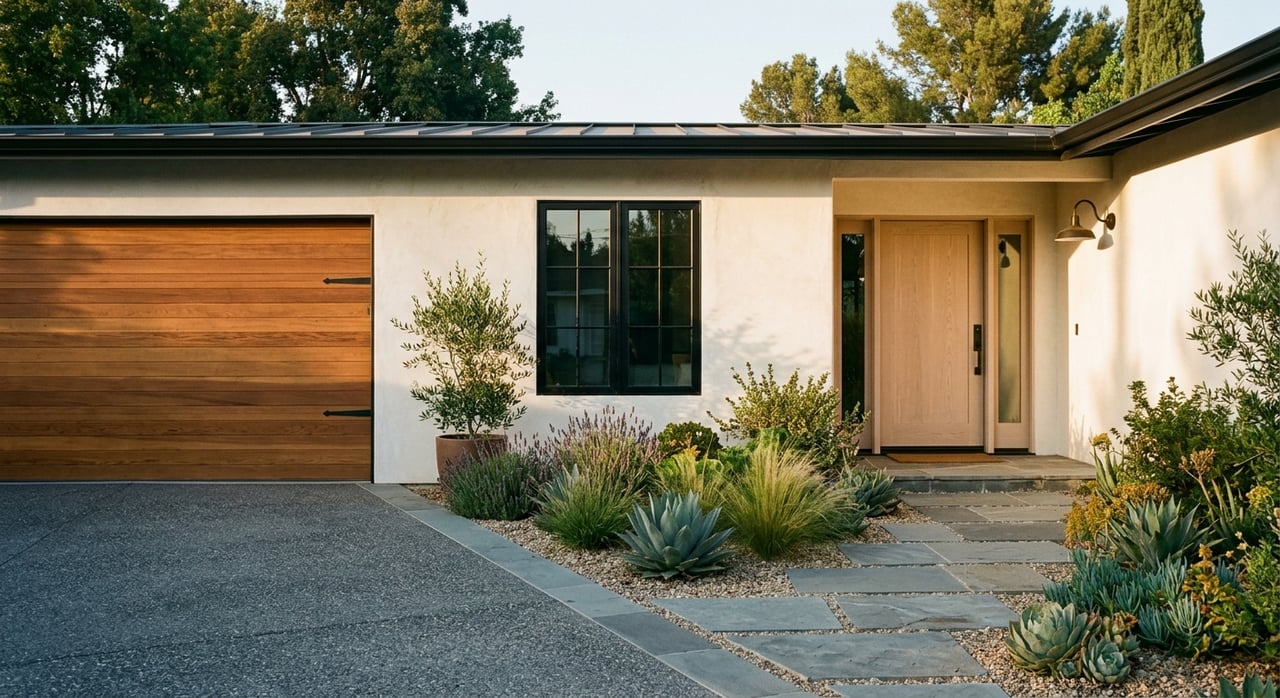
Not every project pays off at resale. Industry Cost vs. Value benchmarks show that curb-appeal upgrades and modest interior refreshes tend to recoup the highest percentage. Examples include replacing a garage or entry door, adding manufactured stone veneer, refinishing floors, and completing a minor kitchen remodel. Full-scale luxury remodels usually return a smaller percentage. Use these patterns to focus your budget. See the latest trends in the 2025 Cost vs. Value report summary.
Start with a simple priority stack:
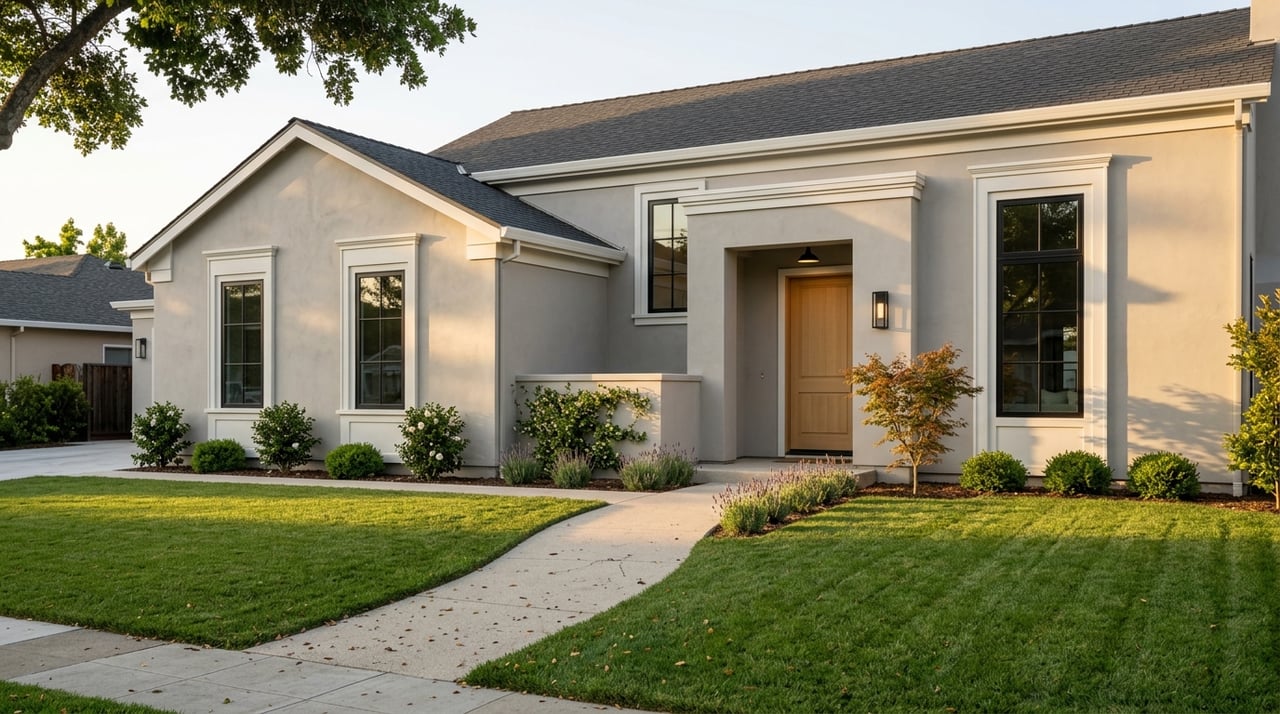
- Top priority: exterior refresh, new or painted front door, landscaping tune-up, whole-home paint, flooring refinish, and targeted staging.
- Medium priority: minor kitchen updates like refacing, counters, and appliances; midrange bath touch-ups; correcting visible permit or code items.
- Caution: full kitchen gut or large additions. These can be right for you personally but may not recoup as much at sale.
Elevate presentation: staging and media
Staging helps buyers visualize how to live in the home and often shortens days on market. Buyer agents consistently report gains in perceived value and marketability, especially when you focus on the living room, primary bedroom, and dining room. Review the NAR Profile of Home Staging for evidence-based guidance.
Pair staging with high-quality visuals. Plan for professional photography, twilight images, a floor plan, and an interactive virtual tour. Luxury and move-up buyers expect a polished digital experience, which increases online views and encourages early showings.
Consider Compass Concierge for prep funding
If you want to make improvements without paying upfront, explore Compass Concierge. Approved pre-sale costs like painting, flooring, staging, landscaping, and targeted repairs can be advanced with no payment due until closing, termination of the listing, or 12 months from the start date, depending on local terms. You repay the funds from sale proceeds, so it is still important to select projects with solid resale impact. Learn how Compass Concierge works and ask for a written scope and repayment estimate so your net sheet is precise.
If speed and simplicity are more important than maximizing net proceeds, some sellers also evaluate instant-sale or trade-in programs. These can compress timelines but usually involve a pricing trade-off. Clarify what matters most: convenience or total return.
Price for action, not reaction
Your goal is to generate strong buyer interest and offers in the first 7 to 14 days. In fast periods, a well-staged and accurately priced listing can attract competition. In slower moments, price accuracy matters even more. Use a local CMA, real-time feedback from showings, and weekly analytics to calibrate. It is usually better to launch where buyers will act than to chase the market with reductions later.
Launch with a phased strategy
For unique or luxury homes, a phased launch can balance privacy with demand building. Compass offers a three-phase pathway where you can start with a Private Exclusive to a select broker network, widen to Coming Soon for more exposure, and then go live on the public MLS. This can help you test pricing, refine positioning, and build anticipation before days on market begin publicly. Ask how a curated broker tour, property video, and a dedicated microsite fit into your first-week calendar. Learn more about the Compass approach and resources, including Concierge, to support a premium launch.
Navigate offers and your net proceeds
When offers arrive, use early feedback and competing terms to set your negotiation stance. If you used a pre-sale funding program, include the repayment amount in your net sheet. Factor in closing costs, credits, and the value of action items already completed. For move-up sellers who are buying next, presentation and prep investments can influence your timeline and bottom line. Choose the path that aligns with your financial goals and next-home plans.
Los Gatos risk checks you should not skip
Los Gatos includes hillside and foothill areas where natural hazards deserve extra care. Portions of town are mapped in Very High Fire Hazard Severity Zones. Buyers and insurers often ask about defensible space, brush clearance, and home-hardening measures. Review town resources on wildfire preparedness and defensible space as you prep.
Seismic, landslide, and drainage conditions can also vary locally. Regional hazard mapping documents liquefaction and seismic risks in northern Santa Clara County. If your property sits on a slope or shows drainage history, consider a geotechnical or drainage review and disclose any known conditions. You can explore federal and state hazard mapping via the science.gov resource on liquefaction maps.
Your pre-list checklist
Use this quick list to organize your sale prep:
- Engage a Los Gatos-focused agent for a neighborhood-level CMA and a timed launch plan.
- Prepare an escrow-ready disclosure pack: TDS, NHD, Seller Property Questionnaire, HOA docs if applicable, permits, title prelim, and inspection reports. Review California requirements here: required disclosures overview.
- Schedule targeted inspections: roof, HVAC, electrical, sewer lateral video, and termite; add geotechnical or drainage review for hillside lots.
- Complete high-impact updates first: curb appeal, paint, flooring refinish, and minor kitchen or bath refreshes aligned with Cost vs. Value guidance.
- Line up presentation assets: professional photos, twilight shots, floor plan, and a virtual tour. Publish all on day one.
- Decide on funding: evaluate Compass Concierge for approved pre-sale work and include the repayment in your net sheet.
- Plan a phased launch: Private Exclusive, Coming Soon, then public MLS, with a first-week calendar that concentrates showings.
Ready to sell with confidence? With a data-focused strategy, thoughtful prep, and premium marketing, you can maximize your Los Gatos home’s presentation and negotiate from strength. If you would like a tailored timeline, a local CMA, and a clear net proceeds estimate, reach out to Sunaina Arora to get started.
FAQs
How should Los Gatos sellers time their listing?
- Aim for a launch date based on current local inventory and buyer activity, supported by a neighborhood CMA and weekly analytics rather than a fixed month on the calendar.
Which disclosures are mandatory for California home sales?
- Most sellers must deliver the Transfer Disclosure Statement and the Natural Hazard Disclosure, which highlight mapped risks like flood, fire, and seismic zones.
What pre-sale improvements usually deliver the best ROI?
- Curb appeal projects and modest interior refreshes, such as doors, landscaping, paint, flooring, and minor kitchen updates, tend to recoup the highest percentage at resale.
Does staging really help homes sell in Los Gatos?
- Yes, evidence shows staging helps buyers visualize the space and can shorten time on market, with the living room, primary bedroom, and dining room seeing the most impact.
How does Compass Concierge work for sellers?
- Compass can advance approved prep costs with no payment due until closing, termination of the listing, or 12 months from start, and you repay those costs from sale proceeds.
What hazard checks matter most for hillside properties?
- Review wildfire defensible space and home-hardening, consider geotechnical or drainage inspections, and ensure your NHD and disclosures capture any known conditions.