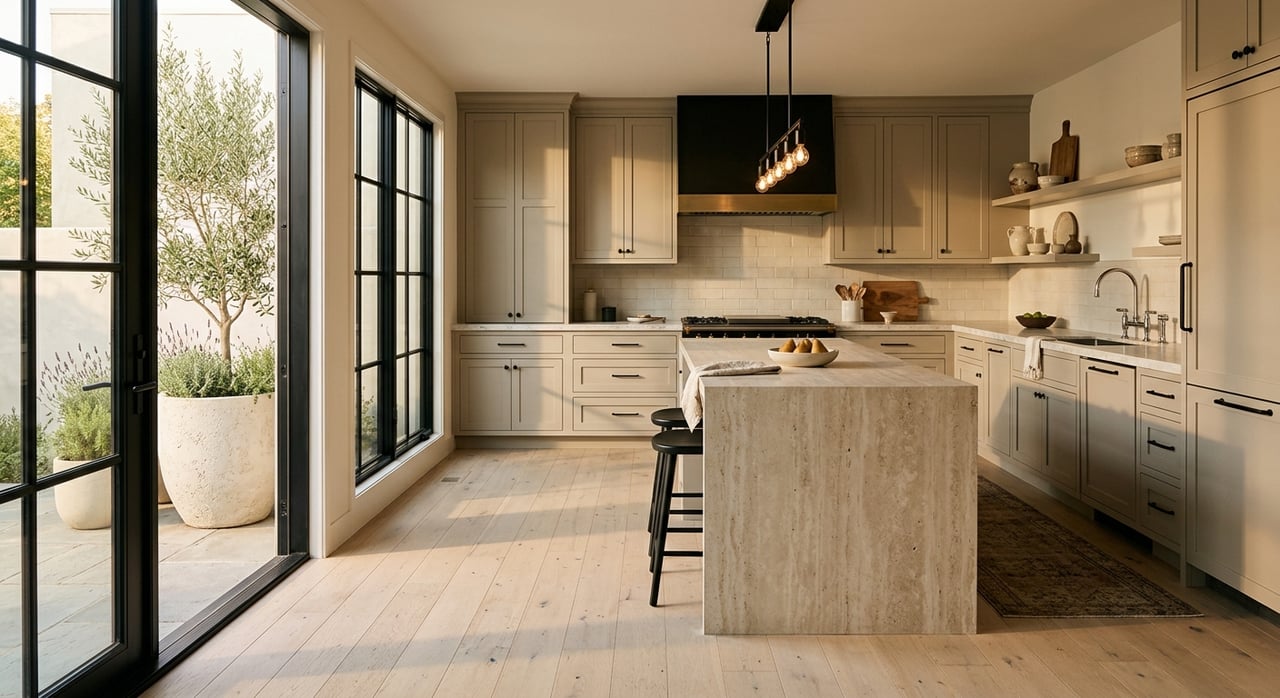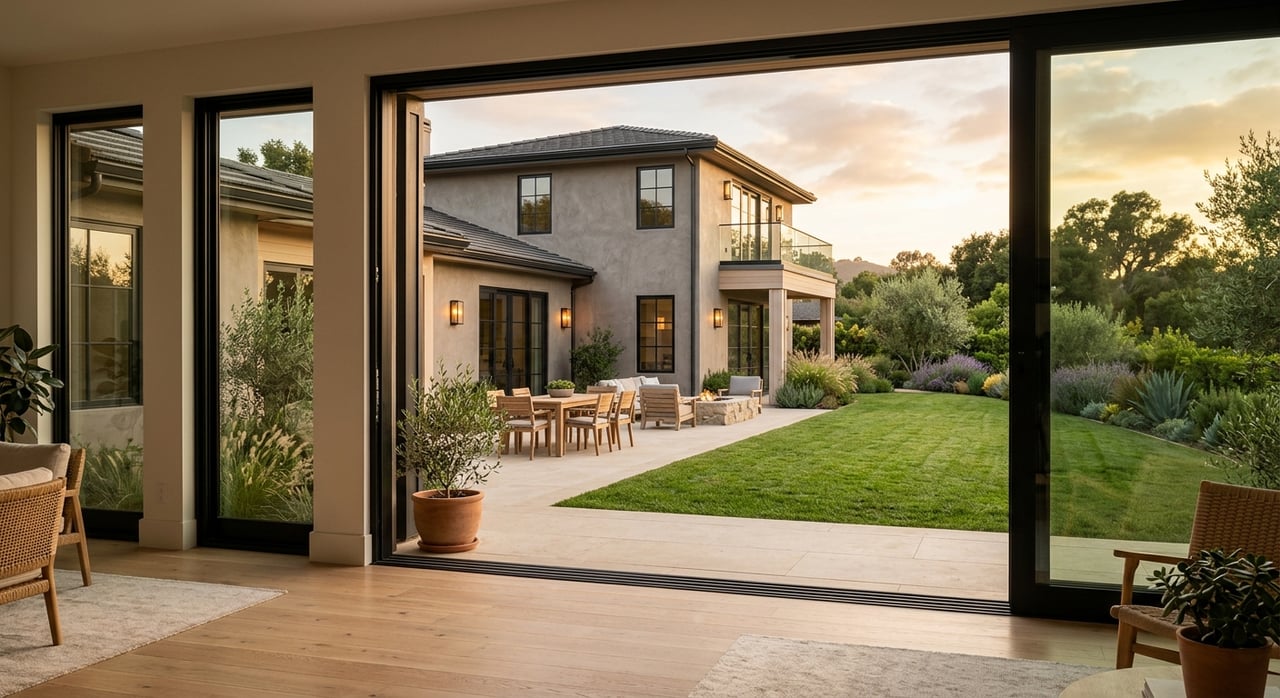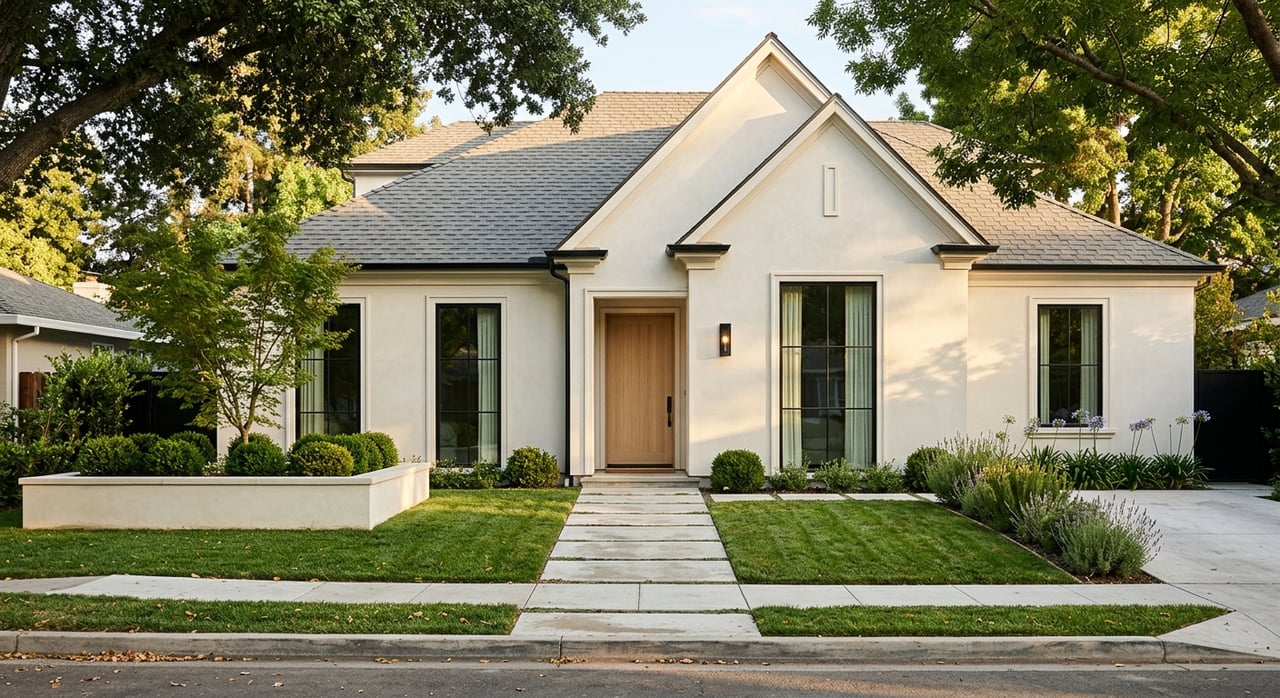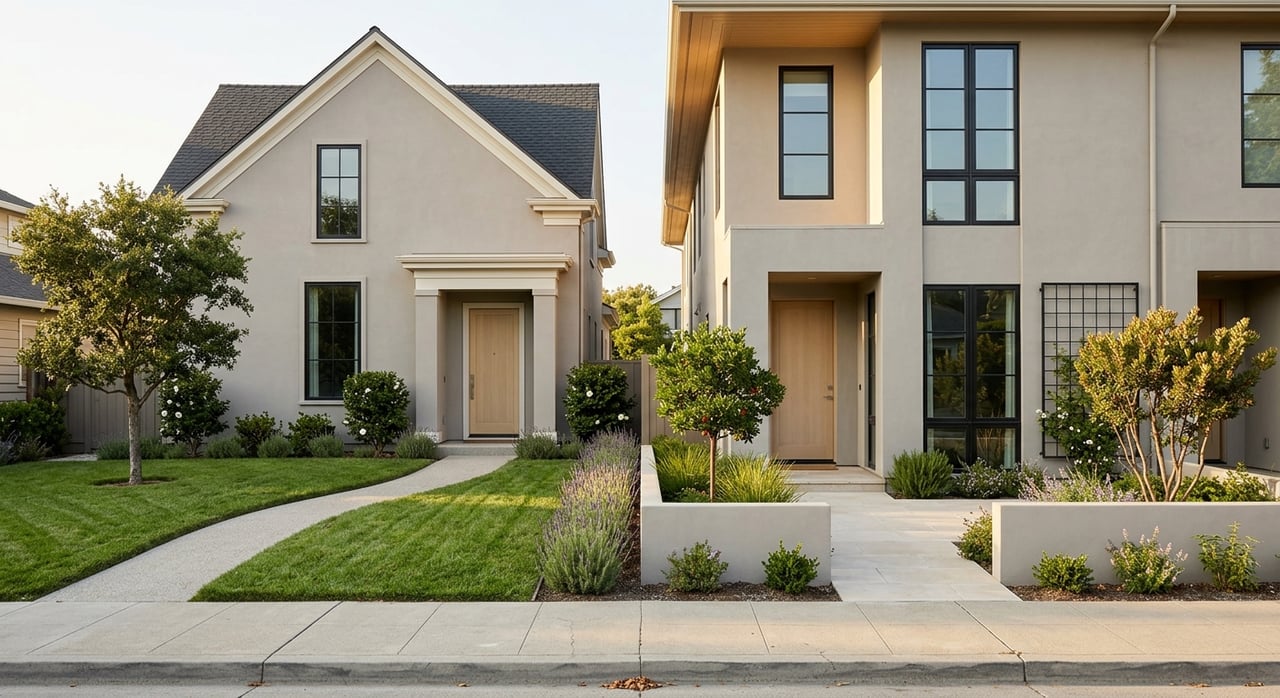
Trying to choose between a single-family home and a townhome in Cupertino? In a market where detached homes can average well above $3 million and townhomes can offer a much lower entry point, that decision can shape your monthly budget, daily lifestyle, and long-term flexibility. If you are weighing space, cost, maintenance, and future plans, this guide will help you compare both options in a practical way. Let’s dive in.
Cupertino market context
Cupertino remains a premium, fast-moving market. Redfin reported a March 2026 median sale price of $3.359 million, with homes spending a median of 9 days on market and 87.5% of homes selling above list price.
Inventory also shows a clear split between product types. In a late-May 2026 snapshot, Zillow showed 12 townhomes for sale and 38 single-family homes for sale in Cupertino, while Redfin showed townhomes at a median listing price of $1.35 million.
The city’s housing mix helps explain why this comparison matters so much. As of January 1, 2023, about 57% of Cupertino housing units were single-family detached, while about 12.6% were single-family attached. The City of Cupertino’s 2024 appraisal also described the market as undersupplied, with very little remaining residential land and continued demand for higher-density housing because attached homes are relatively more affordable.
Single-family vs townhome basics
At a high level, this choice often comes down to land and autonomy versus lower entry cost and simpler upkeep. A single-family home usually gives you more private outdoor space and more control over the property, while a townhome can help you buy into Cupertino at a lower price point.
That does not mean one option is always better. The right fit depends on how long you plan to stay, how much monthly payment you want to carry, and how important privacy, yard space, and renovation flexibility are to you.
Space and layout differences
Townhomes in Cupertino commonly cluster around 2 to 3 bedrooms and roughly 1,000 to 1,450 square feet. Current examples range from a 2-bedroom, 2-bath, 1,003-square-foot townhome listed at $899,000 to a larger 3-bedroom home with 2,202 square feet listed at $2.098 million.
Many active townhome layouts fall into a practical middle range. You will often see 2-bedroom options around 1,060 to 1,166 square feet and 3-bedroom options around 1,385 to 1,445 square feet.
Single-family homes offer a much wider spread. Visible Cupertino examples range from a 1,292-square-foot house listed at $1.708 million to a 5,576-square-foot home listed at $6.95 million, with many detached properties landing in the 2,400 to 3,800 square foot range.
If you need more bedrooms, more separation between living areas, or more room to grow into the home, detached inventory usually gives you more choices. That is one reason many move-up buyers continue to focus on single-family homes, even with the much higher price tag.
Why lot size matters
In Cupertino, the lot is a major part of what you are buying with a detached home. The City of Cupertino’s single-family FAQ explains that in R-1 zoning, lot coverage is limited to 45% of the lot, with an additional 5% allowed for roof overhangs, patios, porches, and similar structures, and the maximum floor area ratio is 0.45.
In practical terms, a detached home turns lot size into usable value. You may get a yard, more privacy, room between neighbors, and more flexibility for outdoor living or future changes, depending on the property.
A townhome usually puts more of your purchase dollars into interior space rather than private land. For some buyers, that is a smart trade because it keeps the budget lower while still delivering a functional home in Cupertino.
Monthly cost comparison
For many buyers, the biggest difference is not the HOA fee. It is the purchase price.
Using a 20% down payment, a 30-year fixed rate average of 6.51% reported by Freddie Mac on May 21, 2026, and a conservative 1.2% property tax planning estimate based on California and Santa Clara County guidance, the monthly gap is substantial.
A roughly $998,888 townhome comes out to about $6.6K per month before insurance when you include principal and interest, estimated property taxes, and a $560 HOA. A $4.25 million detached home comes out to about $25.8K per month before insurance when you include principal and interest and estimated property taxes.
Those figures are illustrative, not quotes. Actual taxes, insurance, HOA dues, and loan terms vary by property and borrower. Still, they show a key point clearly: in Cupertino, the cost difference between townhome and single-family ownership is driven mostly by home price, not by HOA dues alone.
What HOA fees really mean
HOA dues are a real part of the townhome math in Cupertino. Current listing examples show monthly dues of $560 and $667, and listings often reference shared amenities such as pools, playgrounds, greenbelts, security gates, and landscaping.
For some buyers, that structure is a benefit. If you prefer less exterior upkeep and like the idea of shared maintenance being handled through the association, a townhome can feel simpler and more predictable.
For others, HOA dues feel like a tradeoff. You are paying monthly for services and common-area care, and you also need to understand the association’s rules, reserve funding, and any special assessments.
In California common-interest sales, sellers must provide governing documents, current regular and special assessments and fees, unpaid fines and penalties, rental restrictions if any, and other HOA disclosures before transfer. Boards must also complete reserve-related visual inspections at least once every three years and disclose reserve funding information. That makes HOA review an important part of your due diligence when buying a townhome.
Do detached homes always mean no HOA?
Not always. Many detached homes in Cupertino have no HOA, but that is not guaranteed.
Current listing examples include a detached new-build with no HOA and another detached new-build with a $250 monthly HOA. If avoiding an HOA is high on your priority list, you should confirm that detail early rather than assuming every single-family home is HOA-free.
Maintenance and day-to-day ownership
A single-family home usually gives you more control, but it also gives you more responsibility. Exterior upkeep, landscaping, and more of the property’s ongoing maintenance typically fall directly on you.
A townhome can reduce some of that workload because parts of the exterior and common areas may be maintained through the HOA. If you have a demanding work schedule, travel often, or want a simpler ownership experience, that can be a meaningful advantage.
The tradeoff is that the HOA structure sets some of the rules around shared spaces and maintenance responsibilities. You will want to read those documents carefully so your expectations match the property.
Appreciation and long-term fit
Cupertino’s 2024 appraisal suggests detached and attached markets do not always move in the same way. According to the city report, single-family prices rose in 2021 and early 2022, dipped in mid-2022, and then rebounded in 2023 as inventory remained low. Condo and townhome prices were flatter and increased between the end of 2021 and the end of 2022.
The same report also concluded that Cupertino remains undersupplied and that demand for housing, especially higher-density product, should remain strong because developable land is scarce. That supports the idea that both property types can have a place in a long-term plan, even if they behave differently over time.
If you expect to stay for many years and place a high value on land, privacy, and renovation flexibility, a detached home may align better with your goals. If you want Cupertino access now, prefer a lower buy-in, and may move up later, a townhome may be the more practical step.
Questions to ask yourself first
Before you decide, it helps to get specific about your lifestyle and timeline.
Ask yourself:
- How long do you expect to own this home?
- How important is private outdoor space?
- Do you want more interior square footage now, or more land and flexibility over time?
- Are you comfortable with HOA dues and shared rules?
- Would lower exterior maintenance make your life easier?
- Is your budget better matched to a townhome today, even if your long-term goal is a detached home later?
These questions often clarify the answer faster than browsing listings alone.
A practical Cupertino framework
If you want the simplest way to think about it, use this framework.
A single-family home often fits you best if you:
- Plan to stay long term
- Value land, yard space, and privacy
- Want more autonomy over improvements and use
- Are comfortable with a much higher monthly payment
- Are prepared for more maintenance responsibility
A townhome often fits you best if you:
- Want a lower entry point into Cupertino
- Prefer less exterior upkeep
- Are comfortable paying monthly HOA dues
- Want functional space without paying detached-home prices
- See this purchase as a smart current step, with flexibility to move up later
In Cupertino, both paths can make sense. The right one depends less on which property type is “better” and more on which one supports your finances, lifestyle, and next chapter.
If you want help comparing actual Cupertino options by payment, space, and long-term fit, working with a data-driven local advisor can save you time and reduce decision stress. Sunaina Arora brings a high-touch, analytical approach to South Bay home buying, helping you weigh tradeoffs clearly and move with confidence.
FAQs
How much cheaper is a Cupertino townhome than a single-family home?
- Based on the research snapshot, Cupertino townhomes had a median listing price of $1.35 million, while the city’s Q2 2025 single-family update reported detached homes averaging $3.437 million with a median sale price of $3.45 million.
What size townhome can you expect in Cupertino?
- Current Cupertino townhome listings commonly range from about 1,000 to 1,450 square feet with 2 to 3 bedrooms, though some larger examples reach roughly 1,700 to 2,200 square feet.
Do Cupertino single-family homes always come without HOA fees?
- No. Many detached homes show no HOA, but some newer detached communities can still have HOA dues, including a current listing example with a $250 monthly HOA.
What do HOA fees usually cover in a Cupertino townhome?
- Current listings often highlight shared benefits such as landscaping, pools, playgrounds, greenbelts, and security gates, though coverage varies by community and should be confirmed in the HOA documents.
Is a Cupertino townhome better for a shorter ownership timeline?
- It can be, especially if you want a lower entry point into Cupertino, prefer less exterior maintenance, and see the home as a practical step before moving up later.
Why does land make such a big difference in Cupertino single-family homes?
- The City of Cupertino’s zoning rules limit lot coverage and floor area ratio in single-family zones, which means lot size often translates into yard space, privacy, and expansion flexibility that attached housing usually cannot match.